- Home
- About Us
- Services
- GALLERY PAGES
- Our Blogs
- Contact Us


- Home
- About Us
- Services
- GALLERY PAGES
- Our Blogs
- Contact Us
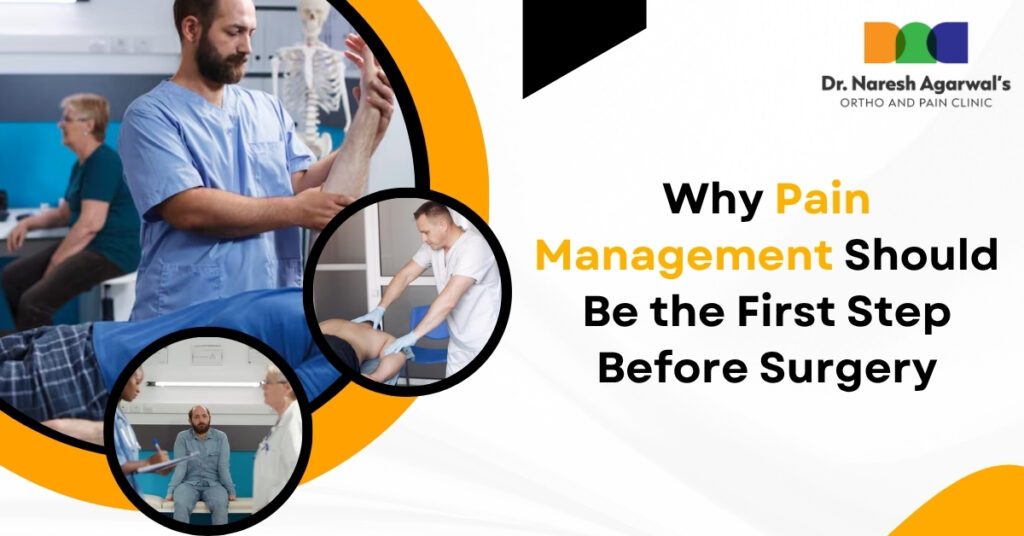
When someone experiences persistent joint or back pain, surgery often feels like the only solution. However, advancements in modern medicine have made it possible to manage pain effectively without immediately resorting to surgical intervention. Pain management, when approached scientifically, can relieve discomfort, restore mobility, and in many cases, eliminate the need for surgery altogether. At the forefront of this approach is Dr. Naresh Agarwal of DNA Ortho Pain Clinic, who emphasizes that the first step toward healing should always be accurate diagnosis and comprehensive pain management—not surgery.
Pain management is a specialized medical approach focused on diagnosing, treating, and reducing chronic pain using minimally invasive and non-surgical methods. It involves understanding the root cause of pain rather than just addressing symptoms. This branch of medicine combines medication, physical therapy, interventional procedures, and regenerative techniques to help patients regain quality of life without undergoing invasive surgeries.
Chronic pain can arise from various conditions, including arthritis, nerve compression, disc degeneration, muscle inflammation, or post-surgical complications. Identifying the correct source of pain is the key to creating an effective, personalized treatment plan.
Pain is the body’s natural warning signal—it tells us something is wrong. Ignoring it or masking it with painkillers can worsen the underlying issue. Modern pain management helps doctors understand the exact cause and intensity of pain, ensuring that unnecessary surgeries are avoided. Many patients experience significant improvement with targeted pain management therapies, allowing them to resume normal life without surgical risks.
Moreover, when pain management precedes surgery, it helps in multiple ways: it reduces inflammation, improves joint function, and strengthens muscles—making any potential surgery safer and more successful in the future, if needed.
Modern pain management focuses on relieving pain with precision while minimizing side effects. Here are some of the most effective and widely used techniques employed by specialists like Dr. Naresh Agarwal:
1. Nerve Blocks and Injections:
These involve injecting anesthetic or anti-inflammatory medications near specific nerves or joints to reduce pain and inflammation. Examples include facet joint injections, epidural steroid injections, and nerve root blocks.
2. Radiofrequency Ablation (RFA):
RFA uses controlled radio waves to deactivate specific pain-carrying nerves, providing long-term relief for chronic conditions such as arthritis and back pain.
3. Platelet-Rich Plasma (PRP) Therapy:
PRP involves using the patient’s own blood plasma enriched with platelets to promote natural healing of damaged tissues. It is widely used for knee, shoulder, and hip joint pain.
4. Viscosupplementation:
A gel-like substance is injected into the joints to improve lubrication and cushion the bones, particularly beneficial for osteoarthritis patients.
5. Physical Therapy and Rehabilitation:
A customized exercise and physiotherapy program helps strengthen muscles, improve flexibility, and enhance joint stability—key factors in pain reduction and long-term recovery.
6. Regenerative Medicine:
Emerging techniques like stem cell therapy are being used to repair damaged cartilage and tissues naturally, offering pain relief without the need for invasive surgery.
Taking a step back to manage pain before deciding on surgery offers numerous medical and lifestyle benefits.
1. Avoiding Unnecessary Surgery:
Many conditions that cause pain can be treated effectively through non-surgical methods. A thorough pain management plan can delay or even prevent the need for surgical intervention.
2. Faster Recovery and Less Downtime:
Minimally invasive procedures have shorter recovery periods compared to surgery, allowing patients to return to their routines sooner.

3. Lower Risks and Complications:
Surgery always carries inherent risks such as infection, anesthesia-related issues, and long rehabilitation. Pain management treatments are much safer with fewer side effects.
4. Cost-Effective Approach:
Managing pain through non-surgical methods is generally more affordable than undergoing surgery and post-operative care.
5. Personalized Treatment Plans:
Pain management focuses on the individual. Treatments are tailored to the patient’s pain type, lifestyle, and health condition, ensuring better outcomes.
6. Improved Mental Well-Being:
Chronic pain often leads to anxiety and depression. Effective pain control not only improves physical comfort but also enhances emotional and psychological health.
While pain management can effectively treat most cases, certain advanced or severe conditions may still require surgery. For instance, complete ligament tears, advanced arthritis, or severe joint deformities may not respond adequately to non-surgical methods. In such cases, pain management serves as an essential preparatory step—it improves muscle strength, reduces inflammation, and optimizes the patient’s overall health for a smoother surgical experience and faster recovery afterward.
In essence, pain management is not an alternative to surgery—it’s a complement that ensures surgery, when necessary, is performed under the best possible conditions.
Choosing the right specialist is crucial for effective pain management. A skilled orthopedic surgeon and pain management expert understands the delicate balance between conservative and surgical treatments. Dr. Naresh Agarwal brings over 18 years of experience in orthopedics, joint replacement, and pain management, combining global techniques from South Korea and Singapore to offer comprehensive care. His philosophy revolves around a patient-first approach—prioritizing non-surgical solutions before recommending any operative procedure.
At DNA Ortho Pain Clinic, every patient undergoes a detailed evaluation that includes medical history, imaging, and functional assessment. The clinic’s integrated approach combines advanced pain management techniques, physical therapy, and lifestyle guidance to ensure lasting results and improved mobility.

The clinic’s treatment model is built on precision and personalization. Depending on the patient’s condition, Dr. Agarwal and his team use a stepwise method that ensures minimal intervention and maximum relief:
This methodology has helped countless patients recover from knee, hip, spine, and shoulder pain without undergoing major operations.
Before choosing surgery as the final solution, exploring the possibilities of pain management is a smart and safer approach. It not only reduces discomfort but often eliminates the need for surgery altogether. Advanced pain management empowers patients to heal naturally, restore mobility, and regain quality of life.
For those seeking expert care, Dr. Naresh Agarwal and the team at DNA Ortho Pain Clinic in Delhi offer a perfect balance of medical expertise, modern technology, and compassionate treatment. Their focus on comprehensive pain management ensures that every patient takes the right step toward recovery—starting with relief before surgery.
Leave a Reply