- Home
- About Us
- Services
- GALLERY PAGES
- Our Blogs
- Contact Us


- Home
- About Us
- Services
- GALLERY PAGES
- Our Blogs
- Contact Us
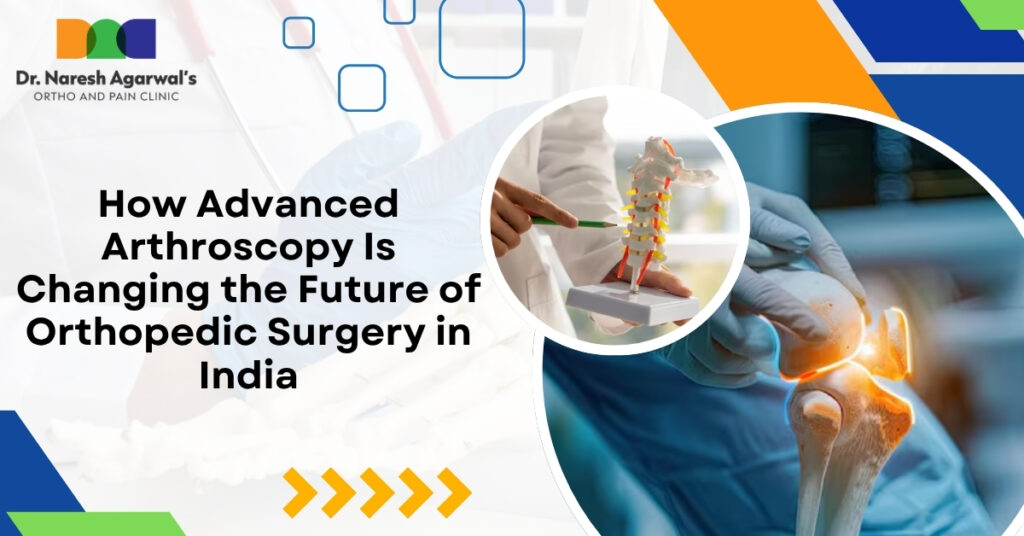
The field of orthopedic surgery has undergone a remarkable transformation over the past decade, largely driven by the rise of arthroscopy—a minimally invasive surgical technique that allows orthopedic specialists to diagnose and treat joint problems with precision and reduced recovery time. In India, where musculoskeletal issues are becoming increasingly common due to sedentary lifestyles, sports injuries, and aging populations, advanced arthroscopy is revolutionizing how patients regain mobility and return to normal life. Specialists like Dr. Naresh Agarwal of DNA Ortho Pain Clinic in Delhi are at the forefront of this shift, combining innovation and expertise to offer world-class orthopedic care.
Arthroscopy, derived from the Greek words arthro (joint) and skopein (to look), literally means “to look inside the joint.” It is a minimally invasive surgical procedure where a surgeon inserts a small camera, known as an arthroscope, into the joint through a tiny incision. The camera projects a clear view of the inside of the joint onto a screen, allowing the surgeon to diagnose and treat a range of orthopedic problems such as ligament tears, cartilage damage, and joint inflammation without the need for large surgical cuts.
Unlike traditional open surgeries, arthroscopy minimizes tissue damage, reduces pain, and significantly speeds up recovery. It is widely used for the knee, shoulder, hip, ankle, and elbow joints, making it one of the most versatile and effective techniques in modern orthopedics.
Initially, arthroscopic surgery was limited to a few specialized hospitals in metro cities. However, over the past few years, its adoption has spread rapidly across India. The advancement of surgical technology, availability of skilled orthopedic surgeons, and increasing patient awareness have all contributed to its growing popularity. Indian orthopedic specialists are now performing arthroscopic procedures that meet international standards, often at a fraction of the cost compared to Western countries.
With orthopedic centers like DNA Ortho Pain Clinic, patients now have access to cutting-edge arthroscopic technology and techniques that were once only available abroad. This evolution has made India a preferred destination for orthopedic care, not just for locals but also for international patients seeking affordable and advanced treatment options.
The benefits of arthroscopy extend far beyond cosmetic appeal or smaller incisions. It represents a complete transformation in patient outcomes and recovery experience.
Arthroscopy involves very small incisions, resulting in less blood loss, reduced infection risk, and minimal scarring.
Patients can often return to their daily activities within a few weeks instead of months, as seen in traditional open surgeries.
Since there is less trauma to surrounding tissues, patients experience significantly less post-operative pain.
The arthroscope provides a magnified, high-definition view of the joint, enabling surgeons to perform precise interventions.
Advanced arthroscopic techniques reduce the chances of post-surgery complications such as stiffness or infection.
Many arthroscopic surgeries can be done on an outpatient basis, eliminating long hospital stays and reducing costs.
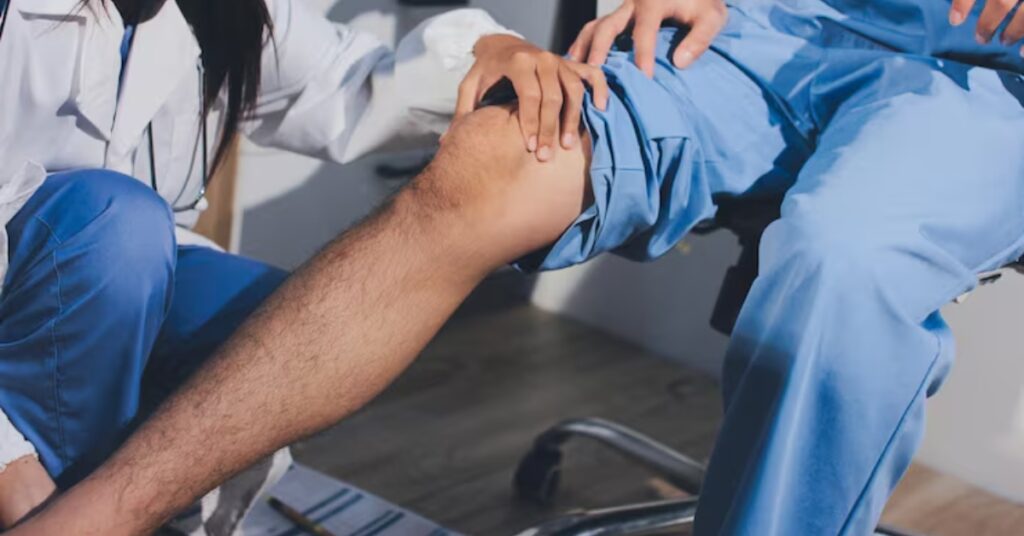
Arthroscopy is now being used to treat a wide range of joint issues across different parts of the body.
One of the most commonly performed arthroscopic surgeries in India, it is used for procedures like ACL (anterior cruciate ligament) reconstruction, meniscus repair, cartilage restoration, and removal of loose bodies within the knee joint.
This is highly effective for treating rotator cuff injuries, shoulder instability, frozen shoulder, and labral tears. The precision of arthroscopy allows for faster recovery and better shoulder mobility post-surgery.
Used for treating femoroacetabular impingement (FAI), labral tears, and cartilage damage in the hip joint, hip arthroscopy offers relief without the need for large open incisions.
Athletes and active individuals benefit greatly from these procedures, which address ligament injuries, loose bodies, and joint impingement. Arthroscopy allows quick rehabilitation and a faster return to sports or physical activity.
The advancement of arthroscopy has been fueled by innovations in surgical technology. High-definition cameras, 3D visualization, computer-assisted navigation, and improved surgical instruments have made procedures more accurate and safe. Surgeons like Dr. Naresh Agarwal integrate these technologies into their practice, ensuring that patients receive precise diagnosis and effective treatment with minimal downtime.
Additionally, the use of arthroscopic-assisted regenerative medicine techniques such as PRP (Platelet-Rich Plasma) therapy and stem cell injections has opened new avenues for healing cartilage and soft tissue damage without the need for major surgeries. These breakthroughs mark a major leap forward in pain-free orthopedic recovery.
For athletes, injuries such as ligament tears or joint instability can be career-threatening. Arthroscopy has become a game-changer in sports medicine, offering quicker recovery and minimal scarring. Elite sports personalities now rely on arthroscopic surgery to return to peak performance in record time. In India, where sports culture is rapidly growing, clinics like DNA Ortho Pain Clinic play a crucial role in treating and rehabilitating sports injuries with precision and care.
The future of orthopedic surgery in India lies in minimally invasive, technology-driven procedures, and arthroscopy is leading this transformation. With continuous medical education, fellowship programs, and international collaborations, Indian orthopedic surgeons are staying ahead of global trends.
The next phase of arthroscopy will likely include robot-assisted procedures, AI-guided imaging, and personalized rehabilitation programs, ensuring that patients not only heal faster but also regain full functionality with long-term results. As awareness grows and technology becomes more accessible, arthroscopy will continue to redefine orthopedic care for millions across India.
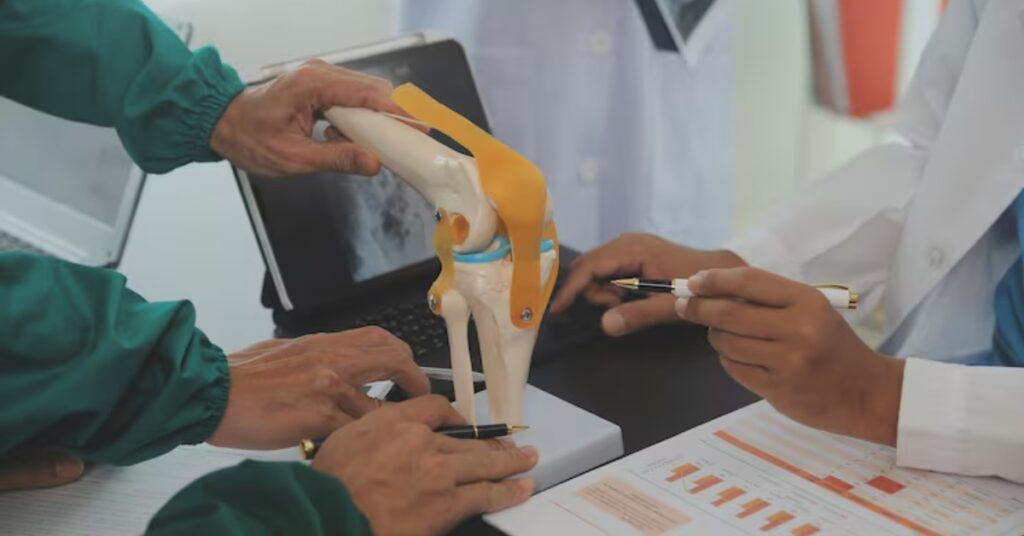
While technology plays a vital role, the expertise of the surgeon determines the final outcome. A skilled orthopedic surgeon ensures that every step—from diagnosis to rehabilitation—is tailored to the patient’s specific needs. Dr. Naresh Agarwal combines his international training in arthroscopy and pain management with over 18 years of experience, offering patients the perfect blend of precision, compassion, and results-driven care.
His approach focuses on conservative treatments first and surgical interventions only when absolutely necessary. This philosophy, combined with state-of-the-art facilities at DNA Ortho Pain Clinic, ensures optimal results and lasting recovery.
Arthroscopy has truly transformed the landscape of orthopedic surgery in India, making treatments safer, faster, and more effective. With continued technological progress and highly skilled surgeons like Dr. Naresh Agarwal, patients can now look forward to minimally invasive solutions that restore movement and relieve pain with exceptional success rates.
For anyone seeking advanced arthroscopic or orthopedic treatment, DNA Ortho Pain Clinic in Delhi stands as a trusted destination, offering expert care, modern technology, and compassionate guidance on the journey toward a pain-free, active life.
Leave a Reply